Neuroplasticity in Pediatric Physical Therapy
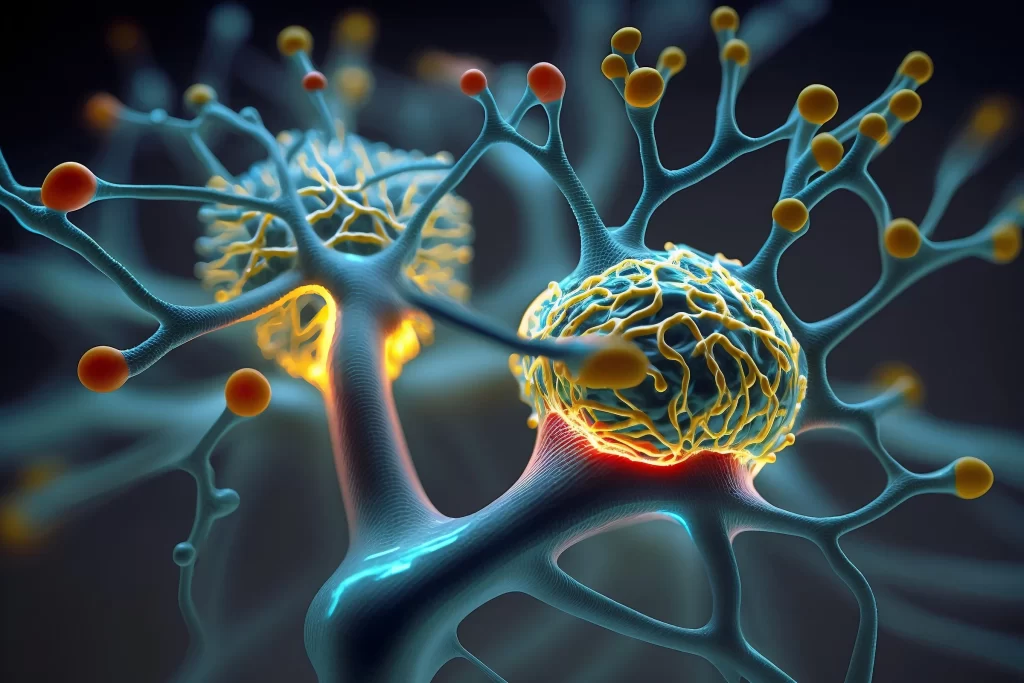
Neuroplasticity, also called brain plasticity or neural plasticity, is the brain’s ability to reorganize and rewire itself in response to learning, experience, and injury. This incredible feature enables the brain to form new neural connections, strengthen existing ones, and even form completely new pathways in order to adapt to different situations and tasks.
Why Early Intervention for Delayed Milestones is Crucial
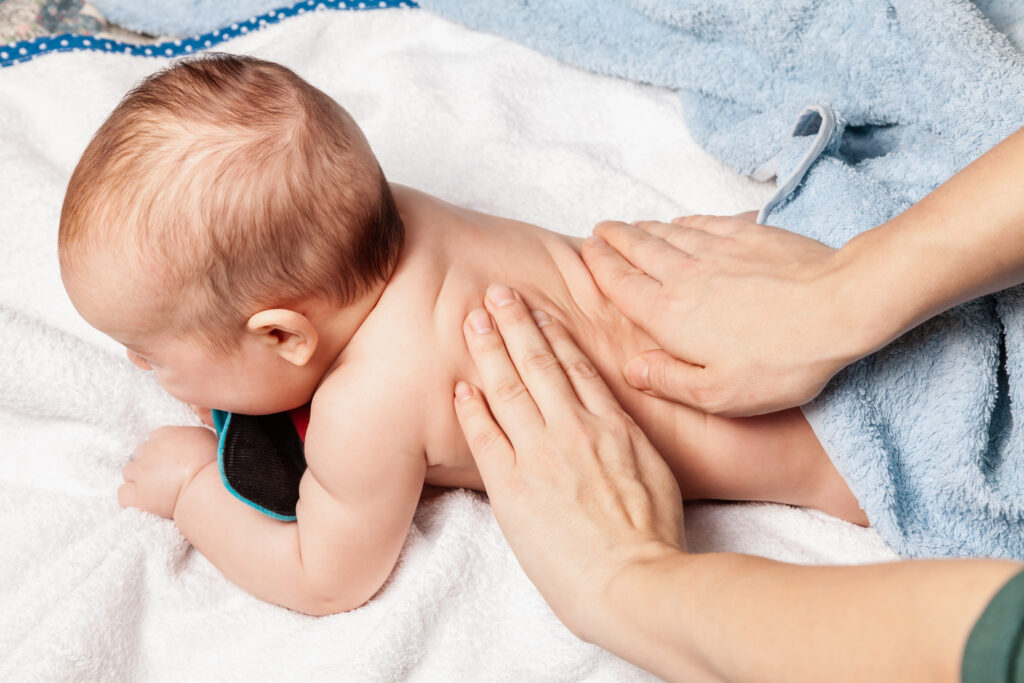
Before we get into the importance of early intervention, let us define what we mean by “developmental milestones.” These are important skills and abilities that children should develop by a certain age. They include physical, cognitive, language, emotional, and social milestones. Common milestones include rolling over, crawling, walking, babbling, and responding to their name.
Understanding Delayed Milestones and Adjusted Age for Premature Babies Management

As a pediatric physical therapist focusing on preemie development milestones, I often reiterate the importance of prematurity corrected age. This guide is carefully authored and aims to lift the shroud from the concept of corrected age and underline its very great importance for following the developmental course of a preterm baby.
Understanding Delayed Milestones in Children

Discover the signs and management of delayed milestones in children with insights from a friendly pediatric physical therapist. Learn how to support your child’s development and address common concerns with expert advice and engaging FAQs.
How to Treat and Prevent Tip-Toe Walking in Toddlers

As a parent, watching your toddler take their first steps and explore the world around them is an exciting milestone. However, you may have noticed that your little one has a tendency to walk on their tip-toes, which can raise questions and concerns about their development.
Pediatric Gait: Understanding the Development of Walking in Kids

Learn all about pediatric gait, the fascinating world of how children walk and develop their movement skills. As a friendly pediatric physical therapist, I’ll guide you through the stages, challenges, and FAQs, so you can better understand and support your child’s gait development. Read on to discover the wonders of tiny feet in motion!
How to Encourage Your Baby to Walk: Tips and Tricks from a Pediatric Physical Therapist

As a parent, watching your baby take those first steps is an incredible and heartwarming milestone. Every little wobble and uncertain shuffle is a triumph, a sign of growth and development. As a friendly pediatric physical therapist, I’m here to guide you through this exciting journey of encouraging your baby to walk. In this article, we’ll explore why walking is important, offer practical tips and tricks, outline the stages of walking, provide helpful positions and exercises, and answer frequently asked questions.
How to Encourage Your Baby to Crawl: Expert Tips and Fun Exercises
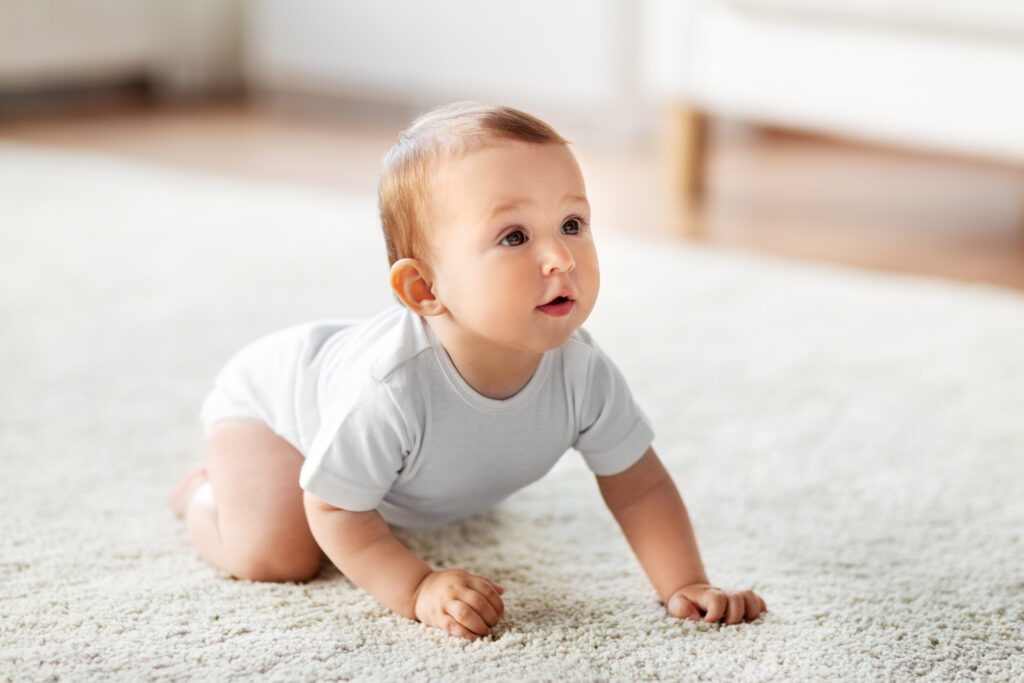
Crawling isn’t just about moving from point A to B. It’s a significant developmental milestone that sets the stage for your baby’s overall growth and well-being. Here’s why crawling holds a special place in your baby’s journey
How to Encourage Baby to Roll Over?

Rolling over is a significant developmental milestone for babies as it marks their growing physical strength and coordination. It is a precursor to other motor skills like crawling, sitting up, and eventually walking. Rolling over helps babies explore their surroundings, develop their muscles, and gain confidence in their abilities. It also promotes cognitive development as they learn cause and effect, spatial awareness, and problem-solving skills. By understanding the importance of rolling over, parents can actively support their baby’s development and encourage their progress.
Unlocking Developmental Milestones: The Importance of Tummy Time for Babies

As a doting parent, you’re always on the lookout for ways to ensure your baby’s healthy development. One of the most crucial steps in this journey is tummy time. I’m here to be your guide, sharing insights and tips from a pediatric physical therapist to help you make the most of this essential practice. Let’s delve into the world of tummy time, understand its significance, explore various positions, and learn effective exercises that will lay the foundation for your baby’s growth and well-being.